As homeowners, aligning comfort with responsible energy use grows increasingly practical. A thoughtful approach combines smart upgrades, routine maintenance, and savvy daily habits to cut utility costs while keeping indoor environments healthy and cozy. This guide walks through tested steps—from a thorough whole home energy audit to targeted improvements—that help you understand where energy is wasted and how to fix it without sacrificing convenience. Whether you’re just starting with weatherization basics or ready to tackle advanced hvac diagnostics, you’ll gain clear direction for every season and every room.
Home energy efficiency foundations: start with a plan and a baseline
Pursuing home energy efficiency begins with a clear plan that respects budget, climate, and family needs. In this section, you’ll learn how to frame your project by identifying the most impactful upgrades first, such as sealing air leaks and improving insulation, while balancing comfort and cost. home energy efficiency becomes a practical objective when you conduct a thorough assessment and track progress over time to maximize value. This mindset supports careful decision-making, reduces waste, and keeps your household comfortable year-round.
Efficient upgrades often start with a professional or do-it-yourself assessment that highlights air leakage and thermal bridging. A successful path emphasizes measurable improvements, like reduced air leakage and better duct performance, before investing in more extensive systems. You’ll also gain confidence by listing potential weatherization steps and prioritizing investments with the strongest payback while staying aligned with your home’s unique layout and usage patterns.
A guided path to reducing utility costs through a home energy audit checklist
Reducing utility bills is realistic when you follow a structured audit process that pinpoints where energy escapes and how best to capture savings. In practice, a comprehensive home energy audit checklist covers insulation, air sealing, duct integrity, and equipment condition, with clear action steps for weatherization basics and seasonal adjustments. reduce utility bills becomes a practical outcome once you translate findings into prioritized improvements that fit your budget and climate. The result is a transparent roadmap that guides upgrades, repairs, and ongoing maintenance.
A whole home energy audit is particularly valuable because it aggregates data from multiple building systems into one coherent picture. You’ll capture blower door test explained details, identify gaps in ventilation, and set targets for air sealing tips that reduce infiltration without compromising indoor air quality. With the right plan, you can approach each season with confidence, knowing you’re addressing root causes rather than chasing quick fixes.
Seasonal energy savings: practical steps for summer and winter comfort
Seasonal energy savings emphasize proactive tuning of your home to meet changing demands and maximize efficiency throughout the year. For summer energy savings at home, focus on cooling loads, shading, and reducing phantom power usage from idle electronics. seasonal energy savings are achieved when you pair a well-sealed envelope with an efficient cooling strategy, like optimizing fan speeds and ensuring ducts are sealed and balanced.
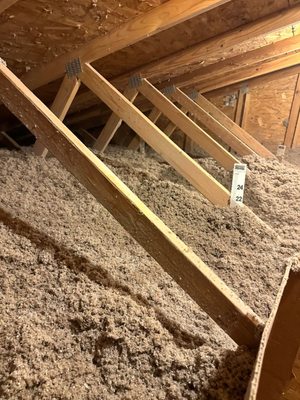
Winter energy savings at home hinge on retaining heat and minimizing fuel use. You’ll benefit from a well-insulated attic, proper weatherstripping, and routine heating system maintenance to head off performance dips during colder months. A smart mix of weatherization techniques and a tuned hvac system supports steady indoor comfort while lowering the gas bill and electric bill across the season, with the right timing and sequencing of energy-saving actions.
HVAC efficiency: optimizing heating, cooling, and air flow for comfort and savings
HVAC efficiency spans equipment selection, system sizing, and ongoing maintenance that keeps your home comfortable without wasteful energy use. This section explores how to read an electric bill and how to read a gas bill in the context of your hvac usage, so you understand cost drivers and opportunities for optimization. hvac efficiency is enhanced through proper airflow testing, duct sealing, and consistent maintenance that reduces static pressure and improves overall performance.
A balanced approach to indoor comfort planning includes air balancing service, ductwork airflow issues diagnosis, and careful attention to airflow and damper balancing in ducts. By aligning equipment capacity with actual load using manual j load calculation and manual s equipment selection, you minimize oversized or undersized scenarios that cause comfort gaps and energy waste. Regular hvac diagnostics and a tuned hvac performance testing routine help detect performance anomalies early, supporting steady comfort and lower energy costs.
Indoor air quality foundations and practical IAQ improvements
Indoor air quality basics are essential for a healthy home while energy efficiency goals are pursued. IAQ improvement tips encourage upgrades like high-quality filtration and controlled ventilation that support cleaner air without overusing energy. indoor air quality basics become more actionable when paired with strategies to manage humidity, mold prevention, and timely maintenance that keeps filters and equipment functioning optimally.
A practical IAQ plan includes choosing the right filtration standard, such as a balanced approach to filtration with MERV ratings that fit your system, and implementing fresh air ventilation options that avoid unnecessary energy loss. You’ll also consider humidity targets and moisture control strategies that prevent condensation on vents or ductwork, reducing the risk of mold and ensuring a healthier living environment while you pursue ongoing energy savings.
Conclusion
A disciplined, stepwise approach to home energy efficiency helps you lower utility bills, improve comfort, and sustain healthier indoor environments. By starting with a solid plan, performing a whole home energy audit, and applying focused weatherization and hvac improvements, you create a durable foundation for year-round savings. Each season offers new opportunities to refine tactics, measure results, and invest in upgrades that deliver meaningful return on investment and ongoing comfort for your home.
(Image: https://s3-media0.fl.yelpcdn.com/bphoto/EvX793epnpL6ZagUUJRj4g/l.jpg)