As organizations begin their AI transformation journey, one of the biggest misconceptions is that every employee should receive a premium AI assistant. While AI has demonstrated remarkable capabilities in writing, coding, research, analysis, and decision support, successful AI transformation is not measured by how many AI licenses an organization purchases. It is measured by the business value AI creates.
AI transformation is a business transformation, not simply a software deployment. The objective is not to maximize AI adoption. The objective is to maximize productivity, innovation, operational efficiency, and competitive advantage. Achieving this requires understanding where AI delivers the highest return on investment and where other technologies are more suitable.
The objective is not to maximize AI adoption - it is to maximize productivity, innovation, operational efficiency, and competitive advantage.
Where AI delivers the highest return
Productivity multiplier
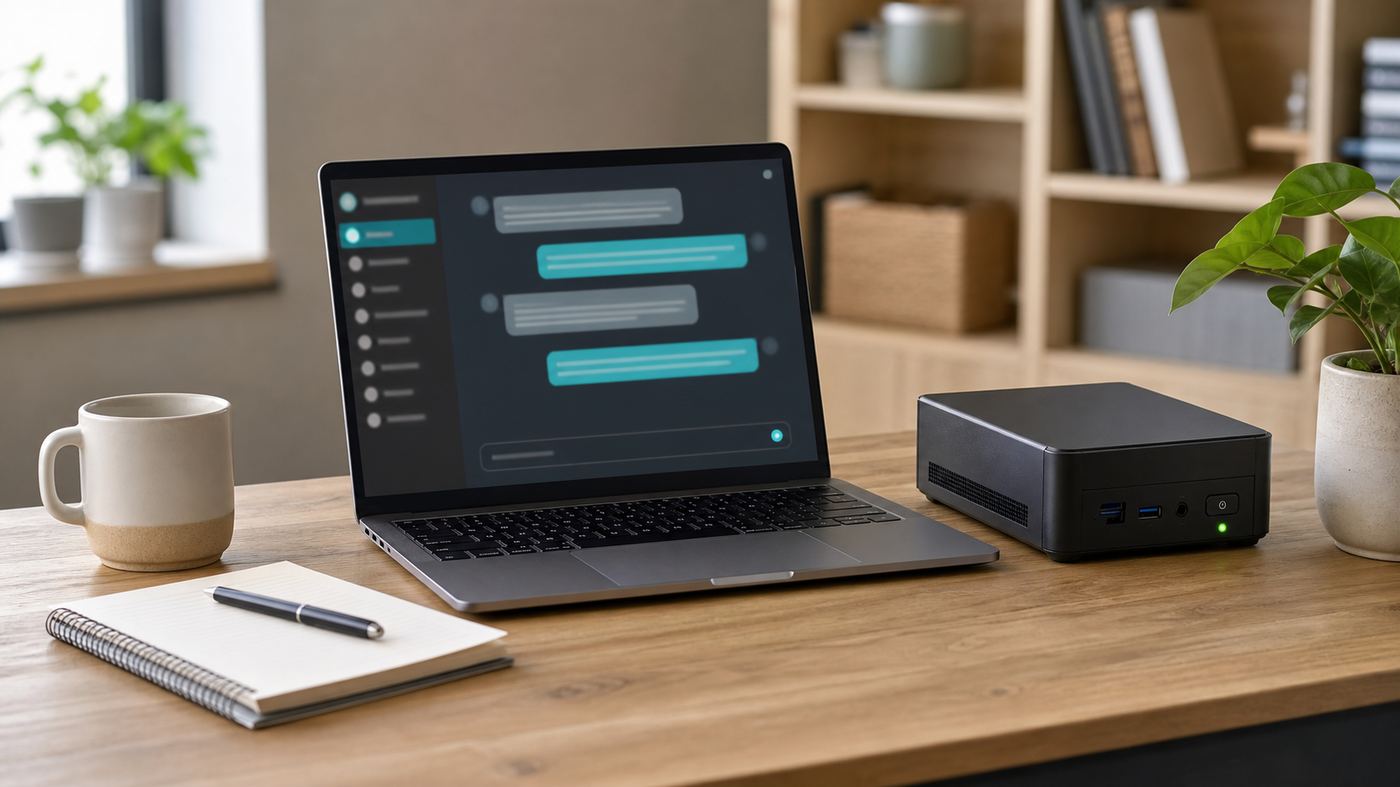
Knowledge workers who create, analyze, design, solve problems, and make decisions:
- Software engineers, researchers, architects
- Product managers, business & financial analysts
- Legal professionals, consultants
- Marketers, designers, and executives
AI accelerates their work - generating ideas, writing code, summarizing research, preparing reports, analyzing data, and supporting decisions.
Limited by process, not knowledge
Operational roles following structured, standardized procedures:
- Manufacturing, warehousing, logistics
- Front desk, cashier, production lines
- Routine administrative processing
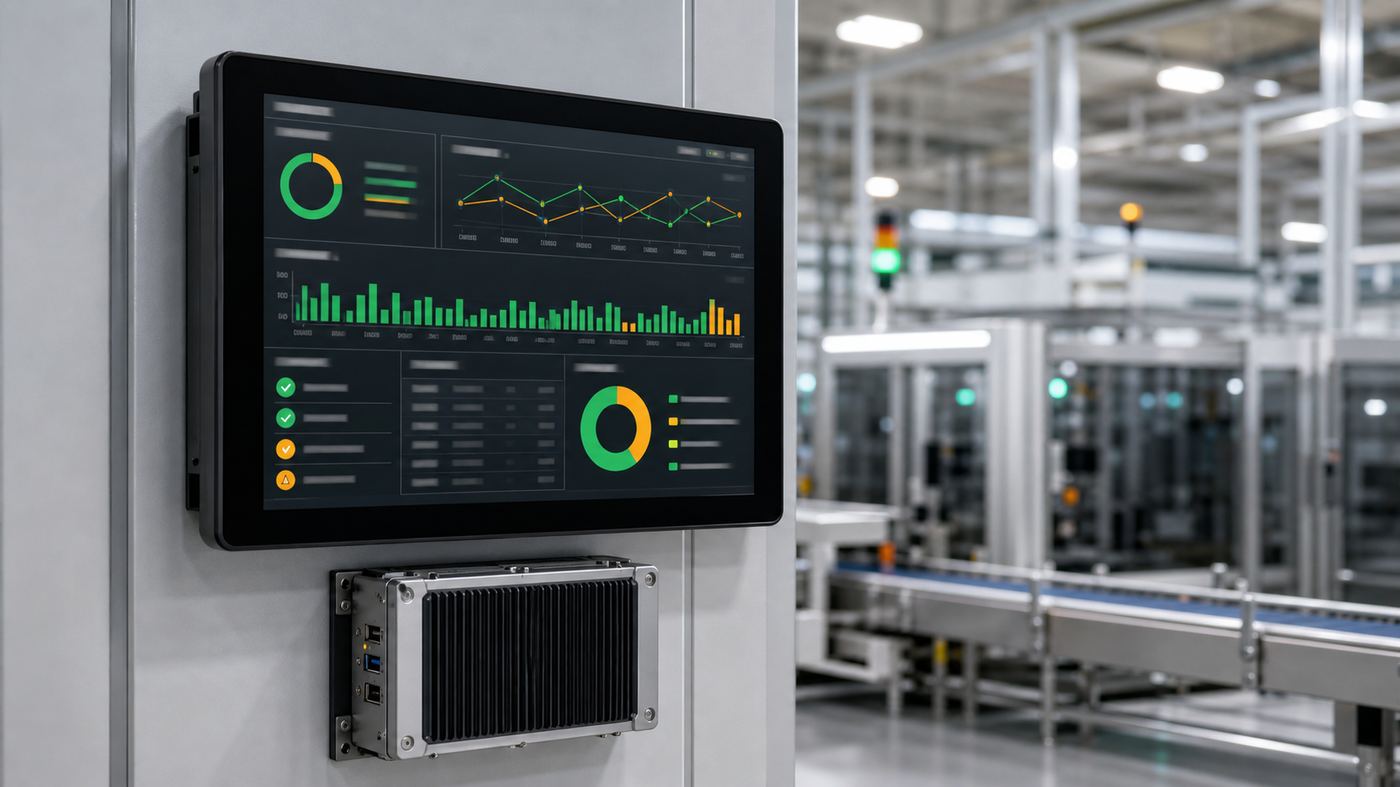
These roles rely more on business applications, automation, and well-designed workflows than on conversational AI. Their productivity is limited by operational processes, not knowledge creation.
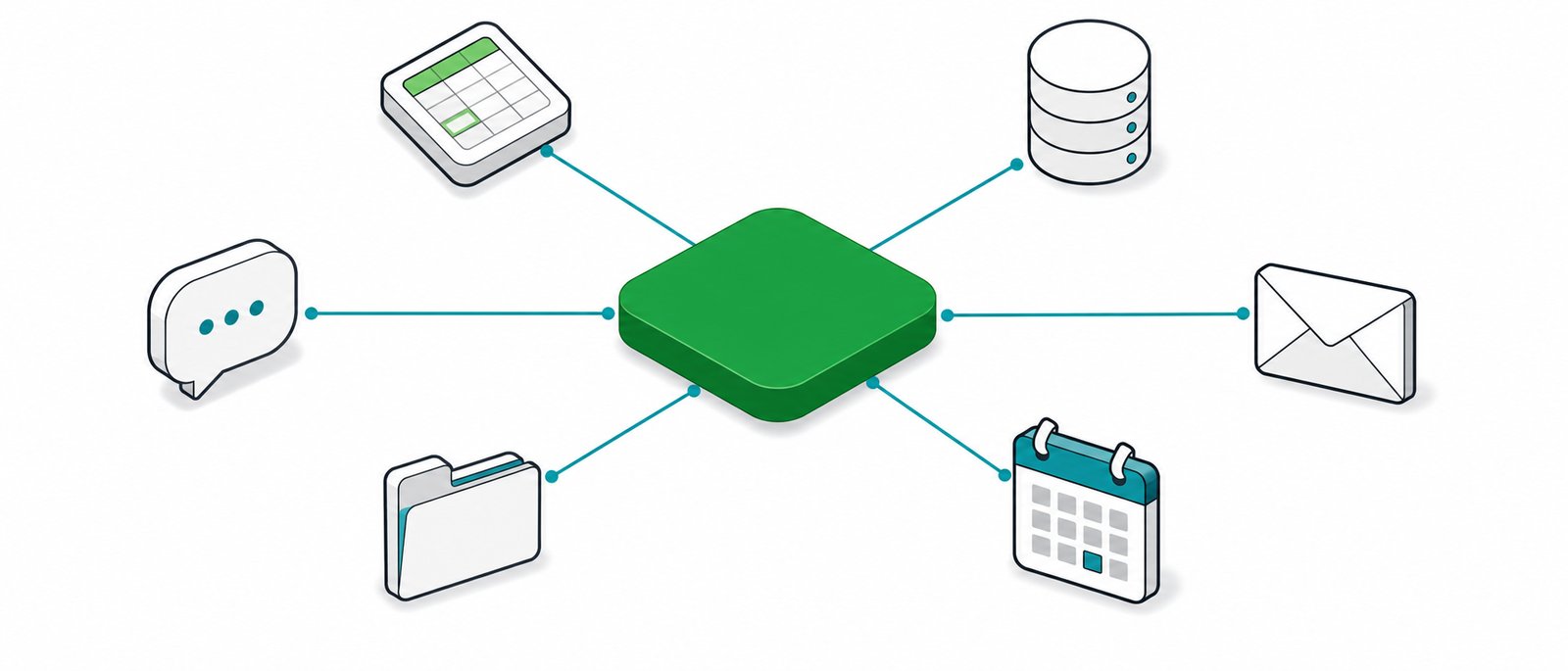
This distinction is critical for organizations planning AI transformation. Purchasing premium AI subscriptions for employees whose daily responsibilities rarely involve complex reasoning or content creation often results in low utilization and limited business impact. In many situations, organizations will achieve greater returns by investing in workflow automation, ERP improvements, robotic process automation, IoT, system integration, mobile applications, or AI capabilities embedded directly within enterprise systems.
Capability, not benefit
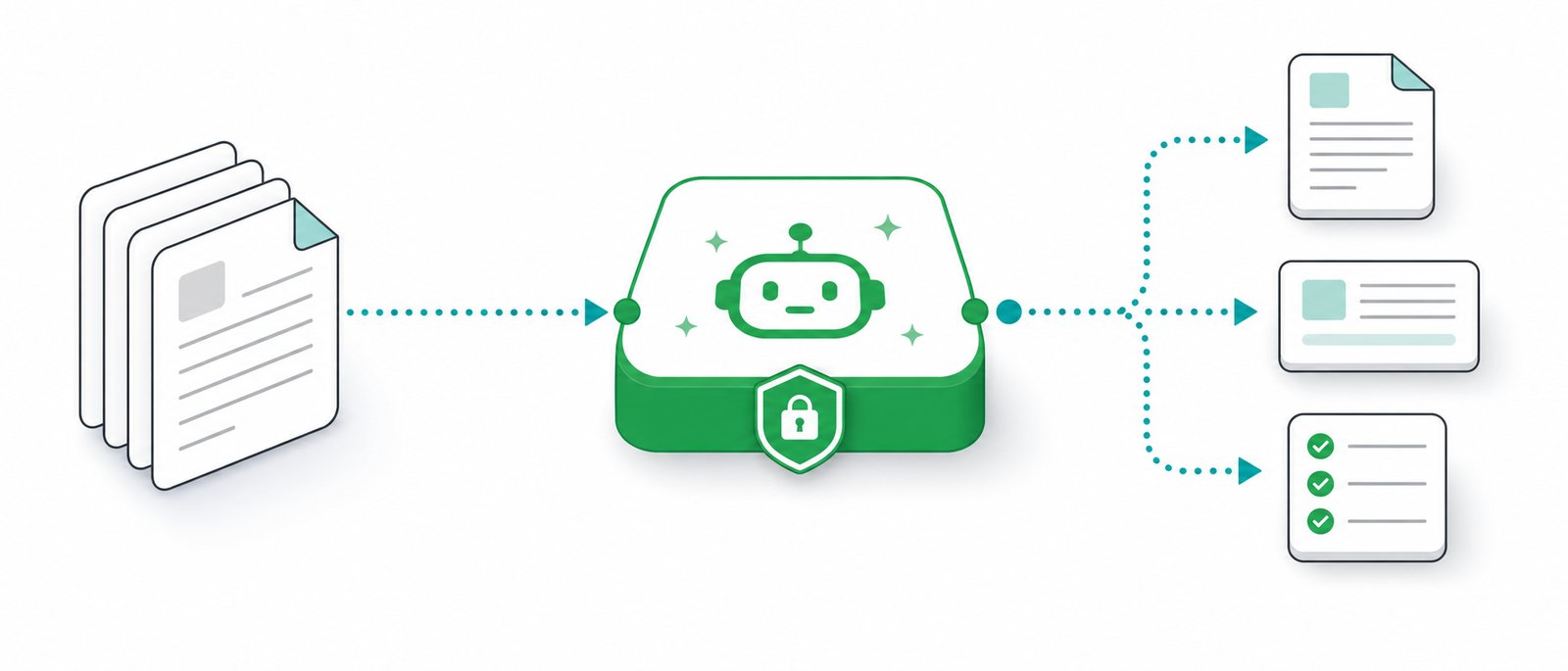
Another common mistake is treating AI as an employee benefit instead of an organizational capability. Simply giving every employee access to a chatbot does not transform a business. Real transformation occurs when AI becomes part of core business processes. It should automate repetitive work, improve decision quality, accelerate software development, enhance customer experiences, and allow employees to focus on higher-value responsibilities. AI should be integrated into everyday workflows rather than exist as another standalone application.
Successful organizations therefore adopt AI strategically instead of universally. They identify high-impact use cases, prioritize departments where AI produces measurable improvements, establish governance and security policies, provide appropriate training, and continuously evaluate return on investment. As new opportunities emerge, AI adoption can expand based on proven business outcomes rather than assumptions.
Ensure the right people use the right AI for the right business challenges - not that every employee uses AI every day.
Ultimately, AI transformation is not about ensuring every employee uses AI every day. It is about ensuring the right people use the right AI for the right business challenges. Organizations that deploy AI strategically, integrate it into business processes, and measure tangible outcomes will achieve far greater success than organizations that simply purchase AI subscriptions for everyone.
The future will belong to organizations that apply AI where it creates the greatest business value. AI transformation is a strategic investment in capability, productivity, innovation, and long-term competitiveness. It should be guided by measurable outcomes rather than the assumption that every employee needs a premium AI assistant.